Three Home Simulator Builds: $1,000, $1,500 and $5,000
Complete, priced-out builds at the three budgets golfers actually have — every line item, the room each one needs, and the upgrade path that keeps you from buying everything twice.
How we make money: some product links in The Lab are affiliate links, and we may earn a commission if you buy through them — at no extra cost to you. Rankings are never for sale. Recommendations are based on published specifications, independent measurement reports and owner feedback, and prices were checked in October 2026; retailers change them often. Chasing Pins is a participant in the Amazon Services LLC Associates Program, an affiliate advertising program designed to provide a means for sites to earn advertising fees by advertising and linking to Amazon.com. As an Amazon Associate, Chasing Pins earns from qualifying purchases.
Every simulator build is the same five things: a launch monitor, something to hit into, something to stand on, something to watch, and a room that fits your swing. The builds below are sequenced so each stage survives into the next — nothing here gets thrown away when you upgrade.
Build 1 — The $1,000 Start
Room: about 16 ft deep, 10 ft wide, 9 ft ceiling. Best for: your first winter of real practice data.
| Item | Pick | Price |
|---|---|---|
| Launch monitor | Garmin Approach R10 | $499.99 |
| Net | Spornia SPG-7 | $349.99 |
| Mat | Entry 5′ × 4′ mat (upgrade later) | ~$150 |
| Display | Phone or tablet you already own | $0 |
| Total | ≈ $1,000 |
The R10 sits 6–8 feet behind the ball; the SPG-7 eats the flight and hands the ball back. You get carry numbers, dispersion and sim golf on a tablet from day one. The mat is the deliberate weak point — fine for a season, first thing upgraded.
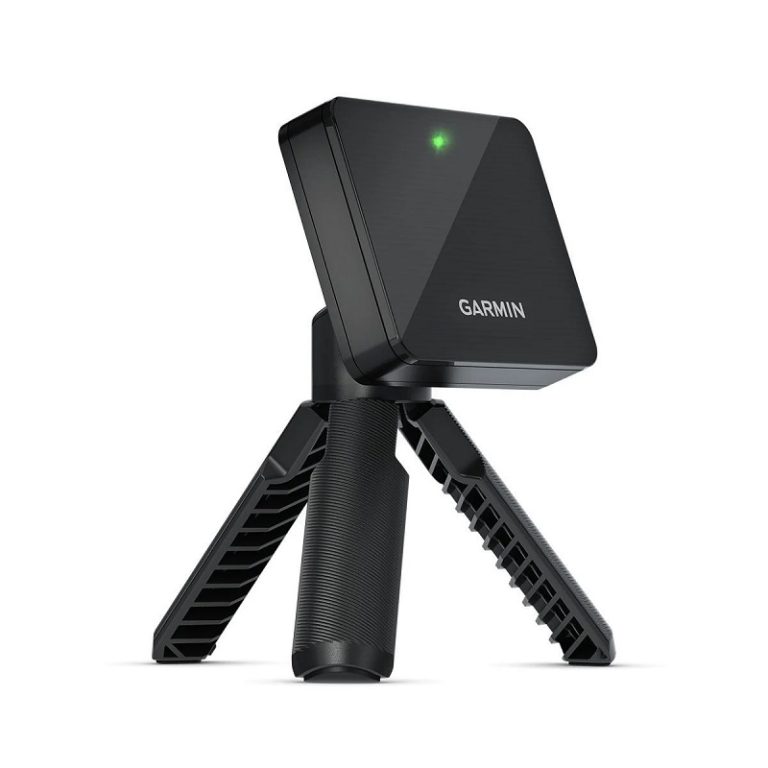
Garmin Approach R10
- Doppler radar
- Sits behind ball
- No subscription required
- Indoor + range
The cheapest way to get trustworthy ball and club numbers at home. Spin is calculated rather than measured, but for gapping, speed work and sim play on a budget, nothing else is close.
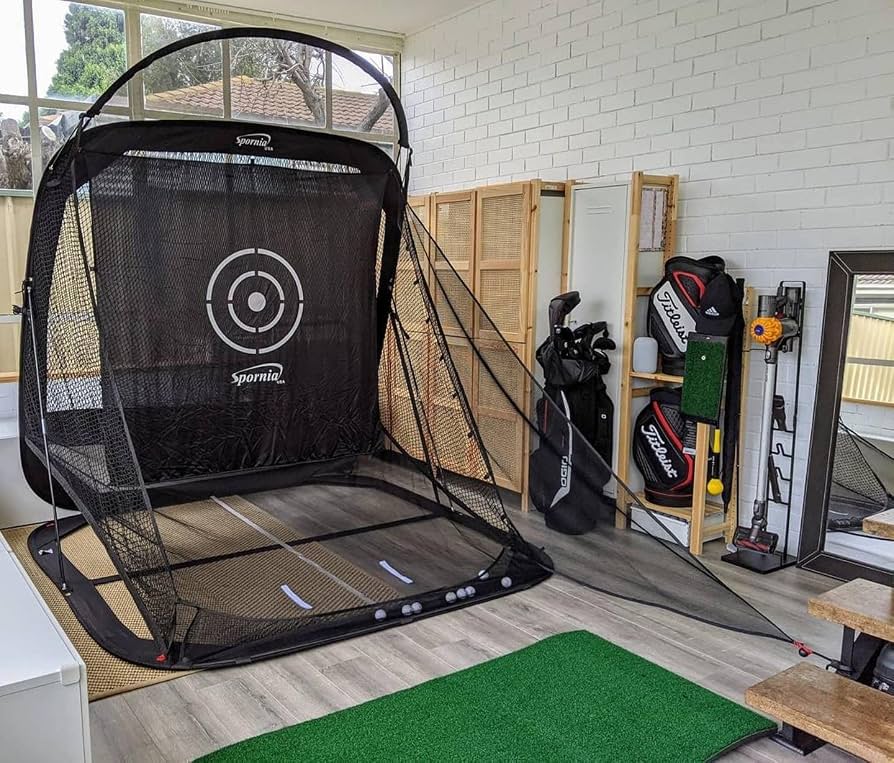
Spornia SPG-7
- 7 ft × 7 ft
- Pop-up, ~30-sec setup
- Automatic ball return
- Indoor + outdoor
The net we recommend first: it pops up in seconds, rolls balls back to your feet, and the target sheet keeps garage sessions quiet enough to be sustainable.
Build 2 — The $1,500 Room
Room: about 16 ft deep, 10–12 ft wide, 9 ft ceiling. Best for: measured spin and a mat your joints approve of.
| Item | Pick | Price |
|---|---|---|
| Launch monitor | Rapsodo MLM2PRO | $549.99 |
| Net | Spornia SPG-8 (8 ft) | $499.99 |
| Mat | Country Club Elite 5′ × 5′ | $479 |
| Total | ≈ $1,530 |
Measured spin changes what you can work on: wedge gapping and spin windows become real sessions instead of guesses. The Country Club Elite’s spring-crimped nylon over foam is the mat tier where fat shots stop punishing your lead elbow. Add a GSPro license ($250/yr) when you are ready for course play on a laptop.
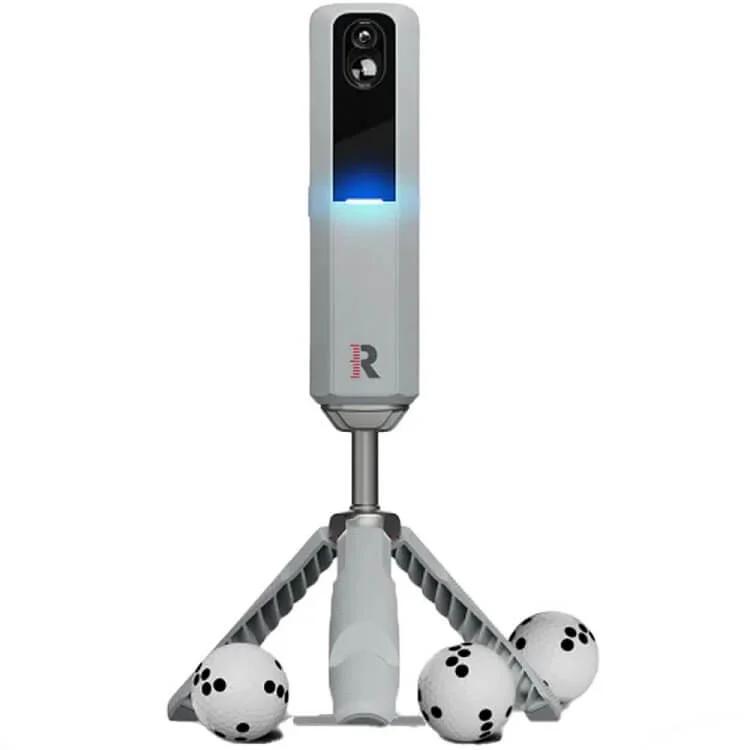
Rapsodo MLM2PRO
- Radar + dual camera
- Measured spin (RPT balls)
- 240 fps impact video
- Premium $199.99/yr
Radar plus two cameras means genuinely measured spin and spin axis with RPT balls, plus slow-motion impact video. The catch is the ongoing Premium membership — budget for it.
Build 3 — The $5,000 Bay
Room: 12 ft wide and deep is enough — camera units free you from radar depth. Best for: a permanent room that replaces the range entirely.
| Item | Pick | Price |
|---|---|---|
| Launch monitor | Uneekor EYE MINI LITE | $1,999 |
| Mat | Fiberbuilt Grass Series 7′ × 4′ | $1,249 |
| Enclosure, screen, projector | Budget line (short-throw) | $1,500–1,750 |
| Total | ≈ $4,800–5,000 |
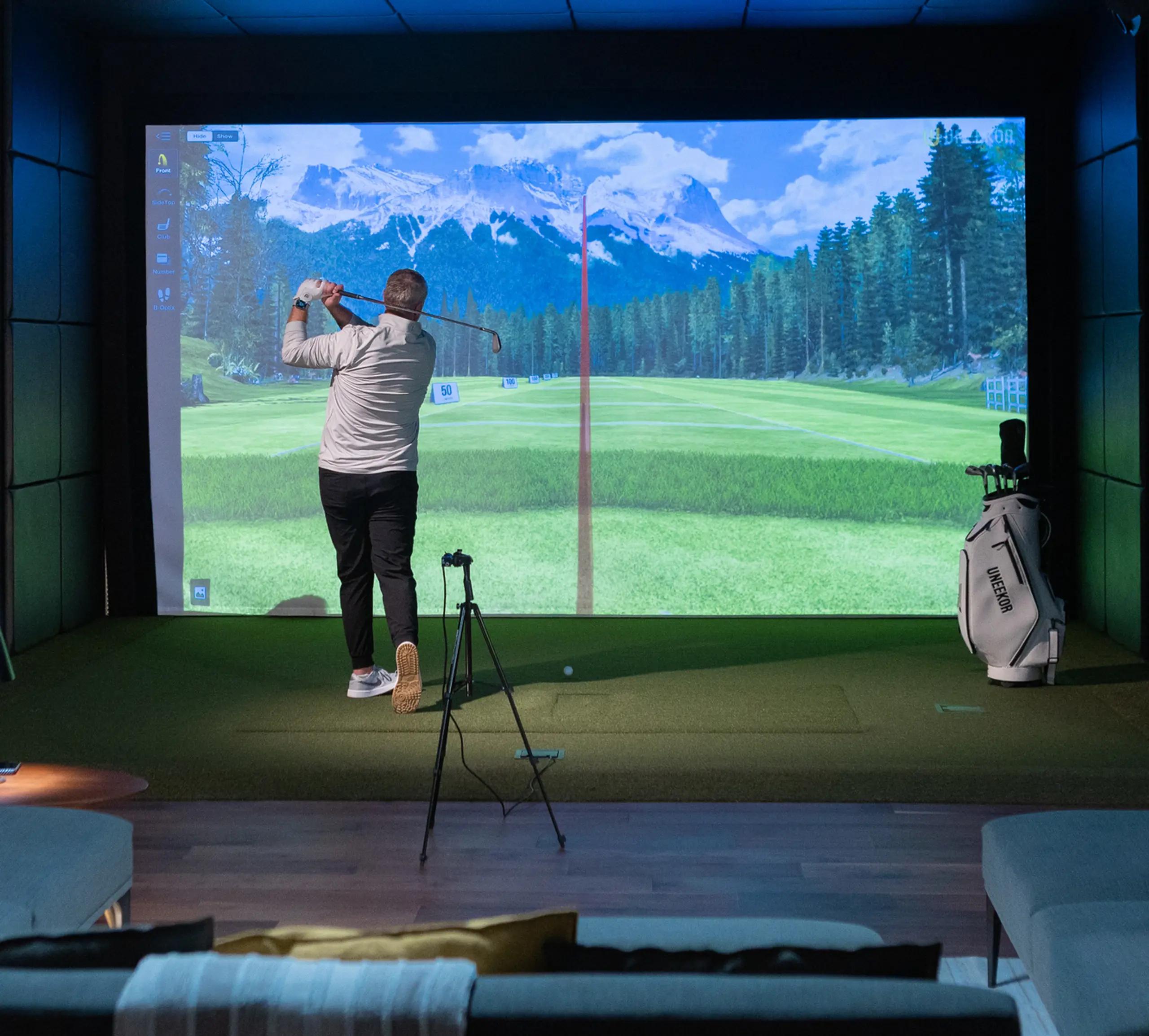
Camera data beside the ball, impact replay on a 10-foot screen, and a mat you can hit 300 balls a week off. This is the build that changes a handicap: not because the golf is simulated better, but because practice becomes the easiest thing in your day.
Uneekor EYE MINI LITE
- Dual camera
- 19 data points
- Club Optix impact replay
- No subscription for data
Camera accuracy and full club data at the lowest price that gets you both. It is wired, stationary and PC-only — perfect for a permanent bay, wrong for the range.
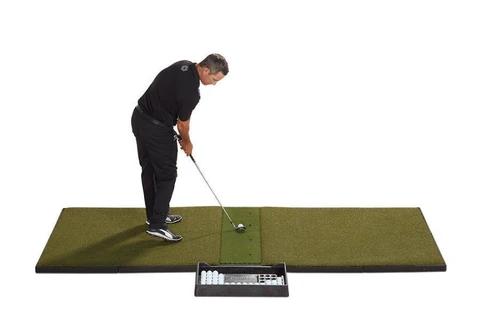
Fiberbuilt Grass Series (7′ × 4′)
- Bristle-fibre hitting strip
- Modular base
- Real tees
- Replaceable strip
The mat for high-volume practice: the bristle strip lets the club move through instead of bouncing off, which your elbows and wrists will notice by week three. The hitting strip is replaceable, so it is a decade-long purchase.
The golden rule of builds: spend in the order monitor → mat → net/screen → projector. Data quality and joint health compound every session; the projector is furniture. Our free Home Sim Buyer’s Checklist has every measurement to take before you order anything.