The 20-Minute Home Practice Session That Actually Transfers
Most home practice makes you better at home practice. This session structure — block, random, pressure — is built backwards from how skills actually transfer to the golf course.

Here is the uncomfortable finding from decades of motor-learning research: hitting the same shot 30 times in a row feels like improvement and mostly is not. Blocked practice inflates your session numbers and deflates your Saturday numbers. Transfer comes from variety, spacing and consequence — all of which fit in 20 minutes if the session is built right.
The session
Minutes 0–5 — One feel, blocked
Pick one technical focus — the single thing your coach or your data says matters most right now. Hit wedges and short irons with that one feel, no targets, no scorekeeping. This is calibration, not practice: you are reminding the body, not building the skill.
Minutes 5–15 — Random and target-based
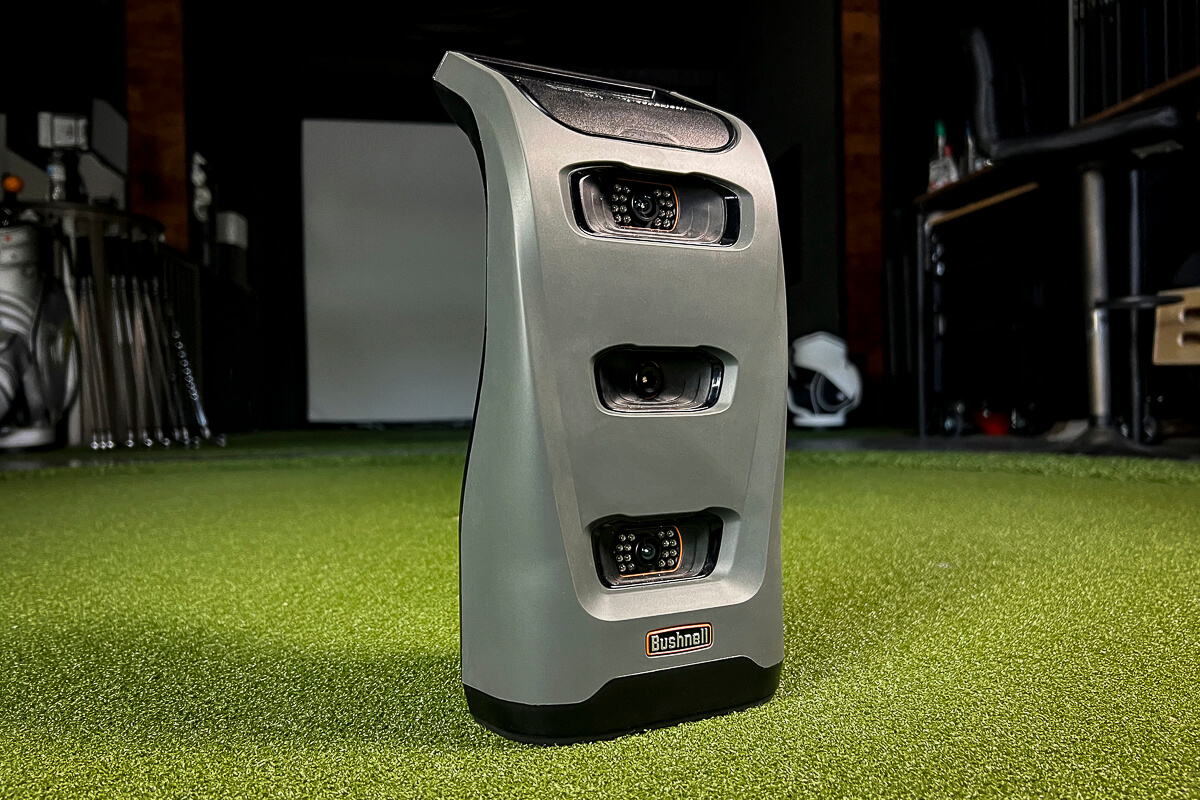
Now make it golf. Change club and target every shot. Call the shot before you hit it — shape, window, landing spot. Use your launch monitor for carry numbers only at the end of each mini-set of three, not after every ball: constant feedback creates dependency on the screen and silence on the course. Score yourself simply: fairway-or-green, or not.
Minutes 15–20 — One pressure game
Finish with a game that has a pass/fail line. Our default: the 9-ball test — three balls each at three targets, and you need seven of nine inside your window to “pass.” Fail, and tomorrow’s session starts with the same test. Consequence is what makes a garage rep feel like the 15th tee.
The rules that make it work: full pre-shot routine on every random-practice ball; never two balls from the same spot in the random block; write down the pressure-game score — a notebook by the mat is the cheapest performance tool in golf. Three of these sessions a week will do more for your handicap than a new driver.