Speed Training at Home: SuperSpeed vs. The Stack, Honestly
Overspeed training works — the physiology is not in dispute. The real questions are which system you will still be using in week six, and what it truly costs. Both leading systems, compared on protocol, measurement and true cost.
How we make money: some product links in The Lab are affiliate links, and we may earn a commission if you buy through them — at no extra cost to you. Rankings are never for sale. Recommendations are based on published specifications, independent measurement reports and owner feedback, and prices were checked in October 2026; retailers change them often. Chasing Pins is a participant in the Amazon Services LLC Associates Program, an affiliate advertising program designed to provide a means for sites to earn advertising fees by advertising and linking to Amazon.com. As an Amazon Associate, Chasing Pins earns from qualifying purchases.
Swinging something lighter than your driver, as fast as you can, teaches your nervous system that higher speeds are safe. Swing something heavier and you build the strength to hold those speeds. That is overspeed and overload training, and every credible study of it finds the same thing: golfers who follow a protocol for six to eight weeks get measurably faster. The product you buy matters less than the protocol you finish — so buy for adherence.
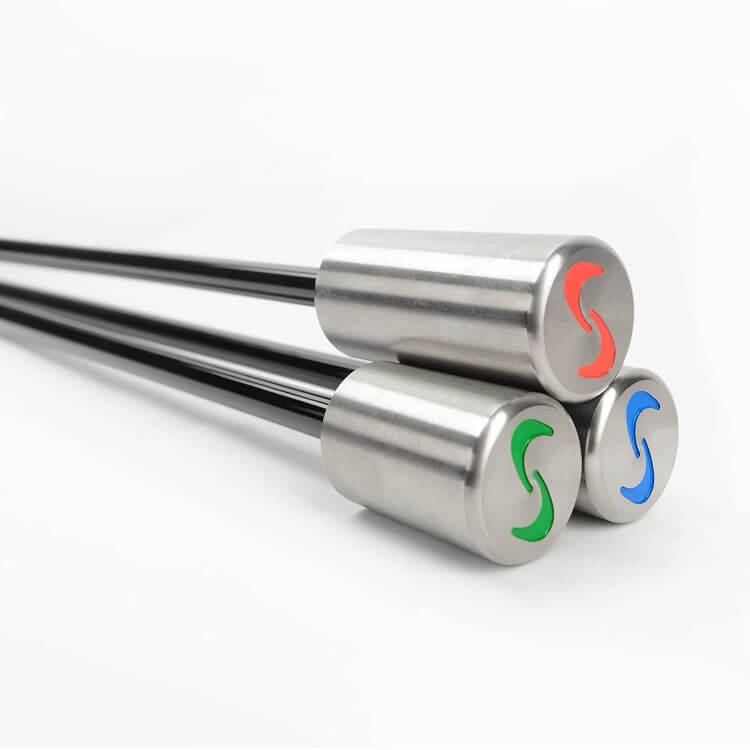
SuperSpeed Golf Training System
- 3 weighted clubs
- ~5 min protocols
- No app required
- Great warm-up tool
The original overspeed system: three sticks, simple protocols, five minutes a few times a week. No app, no data, no excuses — which is exactly why it works for golfers who just want to start.
The Stack System
- 1 club, 30 weight combos
- App-guided programs
- Wedge + putting modules
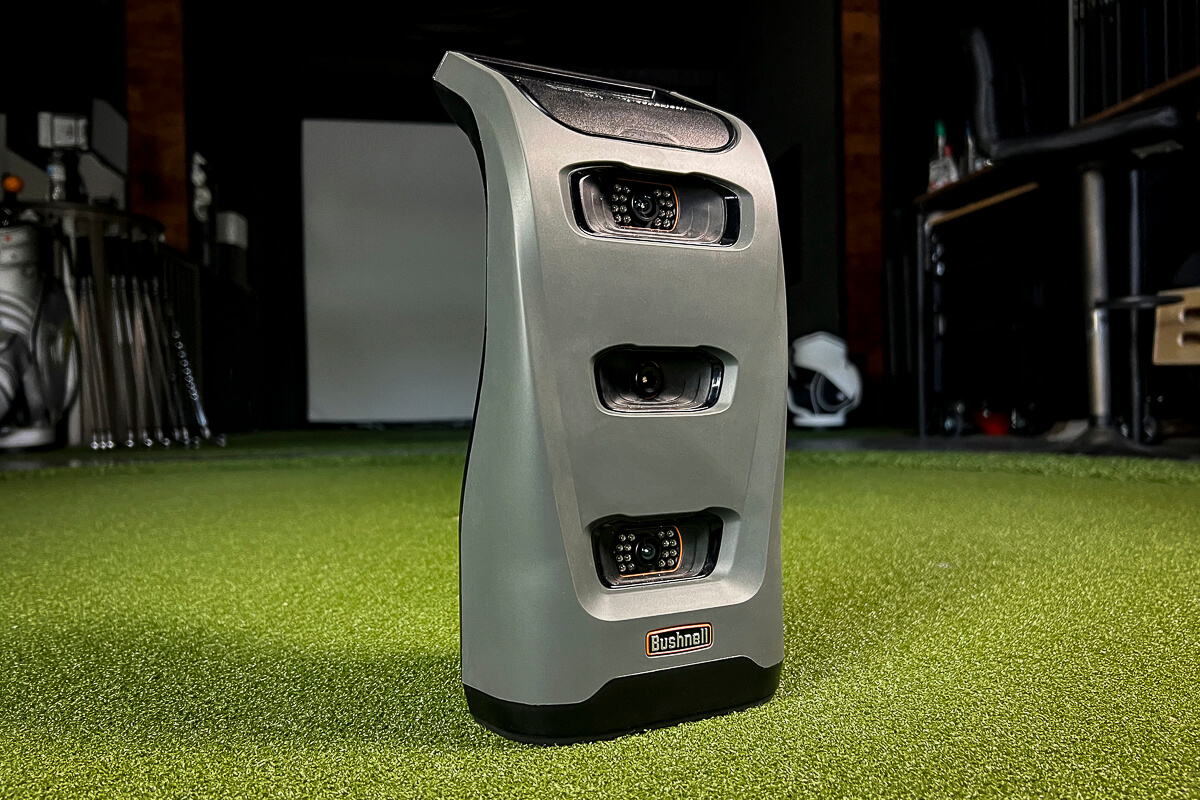
- Needs a speed radar
The data-driven option: an app that programs every session from your actual numbers and adjusts as you get faster. Pricier, and you need a radar to feed it — your launch monitor counts.
The differences that actually matter
Guidance. SuperSpeed hands you fixed protocols and trusts you. The Stack’s app builds each session from your baseline, adjusts loads as you progress, and adds wedge and putting programs. If you love data — and if you own a launch monitor, you probably do — the Stack’s feedback loop is a genuine adherence advantage.
Measurement. Both systems need honest speed numbers. The Stack wants a radar: its own is $289, the trainer-plus-radar bundle is $499, and most launch monitors (R10, MLM2PRO, Mevo) feed it fine. SuperSpeed works with no measurement at all, though a $200 PRGR pocket radar makes progress visible.
True cost. SuperSpeed: $149, done. The Stack: $299 with the first app year included, then $99/yr for the speed membership — or $499 all-in with the radar. Over three years the Stack bundle ownership lands near $700. That buys a system; whether it buys your consistency is the real question.
The Lab verdict
New to speed work or budget-conscious: SuperSpeed, plus the discipline to log sessions in a notebook. Data-driven and already own a launch monitor: The Stack — it is the better program, and it is not close. Either way, train three times a week, never on heavy legs before a competitive round, and re-test your driver speed monthly. Speed you cannot measure is speed you will stop chasing.